A delegation of researchers from Gulu University, Norwegian University of Life Sciences (NMBU), Makerere University and Centre for African Research successfully delivered findings from a five-year refugee-host community research project to local leaders and stakeholders in Adjumani District, highlighting key challenges and opportunities affecting food security, livelihoods, land access, and resilience in Northern Uganda.
The delegation comprised of Dr. Solomon Olum, Ms. Nassanga Prossy and Assoc. Prof.
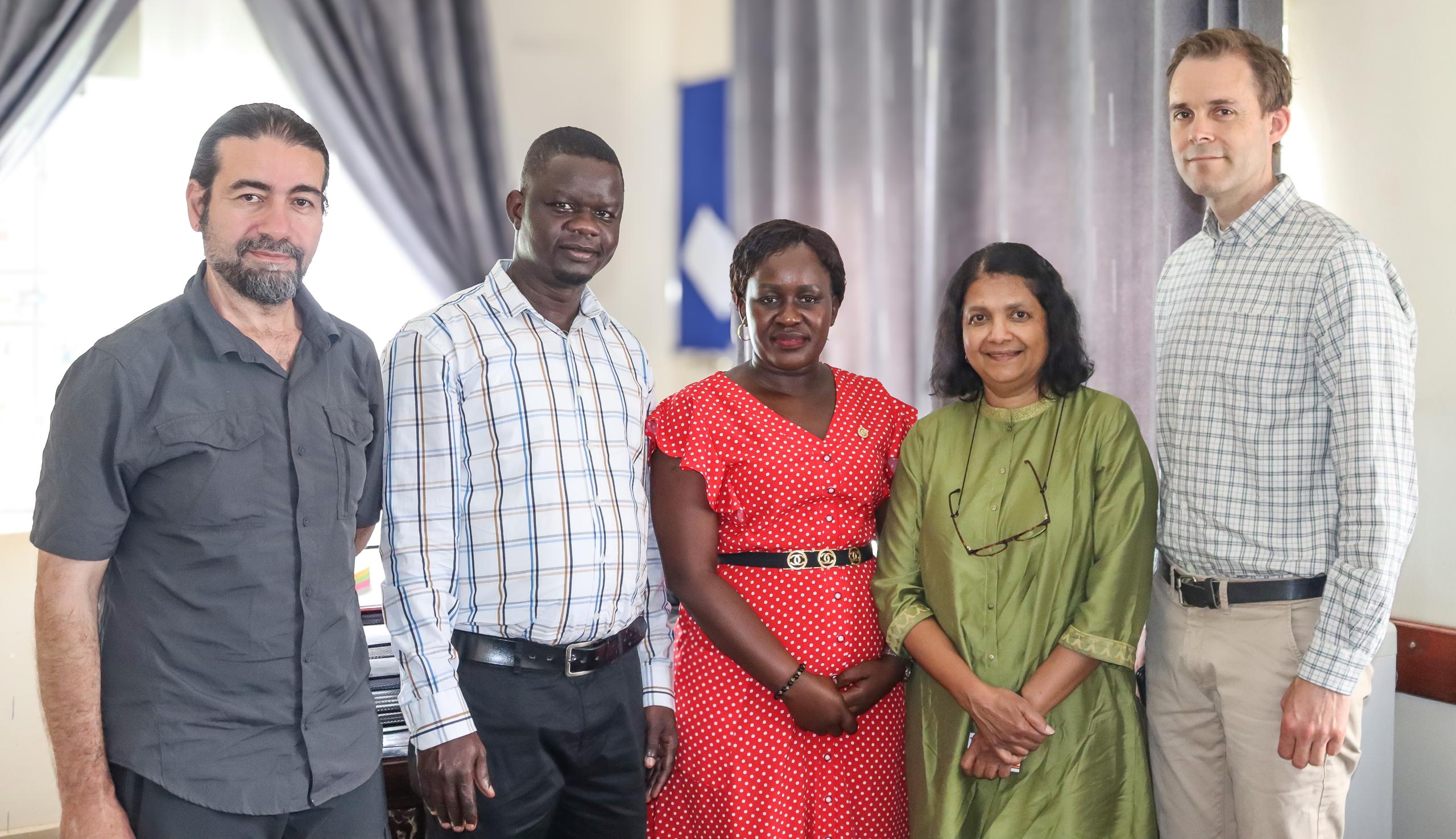
Stephen Wamala Kalule of Gulu University, Prof. Darley Jose Kjosavik, Prof. Shai Andre Divon and Prof. Lars Kare Grimsby from Norwegian University of Life Sciences (NMBU), Prof. David Tumusiime of Makerere University and Mr. Arthur Owor from Center for African Research among other partners.
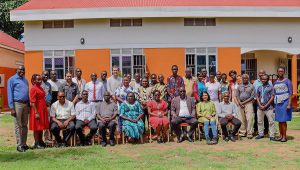
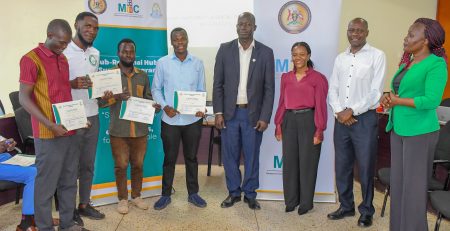
A group photo of the workshop participants.
The research findings were delivered on Monday 11th May, 2026 during the NORPART Dissemination Workshop, bringing together officials from the Office of the Prime Minister (OPM), Adjumani District Local Government, NGOs, refugee leaders, host communities, and academic institutions.
“We are bringing back knowledge co-produced with refugee and host communities and sharing lessons learned from the last five years. This engagement allows leaders and communities to reflect on the findings and discuss practical recommendations for improving livelihoods,” NORPART Project team leader Prof. Darley Jose Kjosavik said.
The delegation was joined by Ms. Polyne Irene Abina, the Refugee Desk Officer (RDO)
Adjumani, Emmanuel Okware, Deputy RDC Adjumani, Bul Garang Gak, Refugee Welfare Council, Katongole Derrick, a livelihood and environment sector focal person from UNHCR Adjumani district and over 40 other leaders in the local government and community representatives for both refugee and host community.
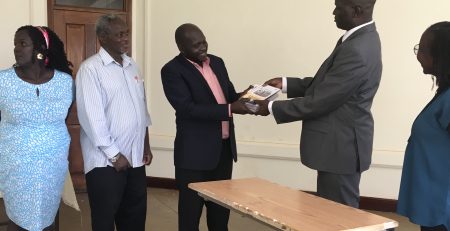
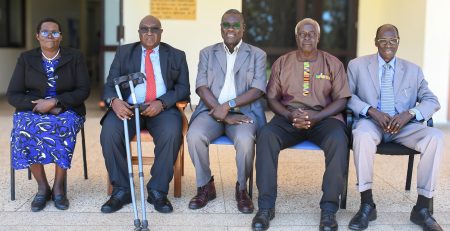
A photo of the RDO (center) with the NORPART team.
The project, titled “Partnership for Education in Refugee-Host Contexts running under the theme Joint Learning Towards Food Security and Sustainable Development in Uganda 2022– 2026,” focused on strengthening academic collaboration while generating research to support refugee and host communities in Northern Uganda.
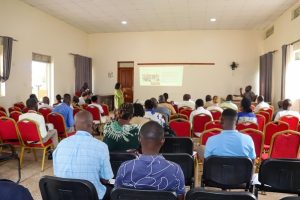
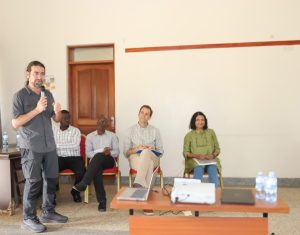
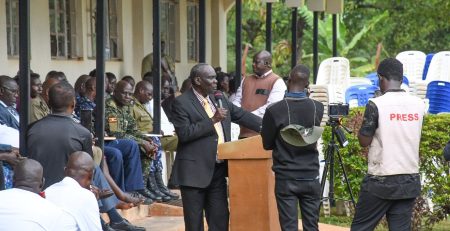
A photo during the research dissemination.
During the workshop, delegates presented findings from seven master students research studies conducted across refugee settlements and surrounding host communities as follows:
1. “Sustainable Agricultural Practices in Palabek; a livelihoods response under land pressure” done by Edith Akurut, and “Land conflict threatens the self-reliance model” conducted by Sheeba Tuheirwe. The findings of these two topics were presented by Prof. David Tumusiime, Makerere University.
2. “Refugee-host interaction as a pathway for agricultural innovation” conducted by Sondre Gripne Steine, “The refugee perspective: reduced food aid reshaped everyday survival” by Poni Victoria Karamelo Amaka and “Women, NGOs and resilience in food-insecure refugee-host communities “conducted by Samira Sanni, were disseminated by Prof. Lars Kare Grimsby from the Norwegian University of Life Sciences.
3. Dr. Solomon Olum from Gulu University presented findings from two Master students on the topics; “Improved cassava varieties: adoption under socio-ecological constraints” conducted by Denniz Asingwire and “Crop diversification and household food security in Adjumani” by Justine Mawadri.
Highlighting the implication of the students’ research findings, Dr. Solomon Olum, the NORPART project Coordinator from Gulu University emphasized the need to maintain safety nets for refugees while building assets to make them self-reliant. While concluding, Dr. Olum stated that, “agriculture-based self-reliance is possible, but only if land, support systems, women’s agency and interaction platforms are addressed together”
Richard Edema, the Principal Assistant CAO Adjumani district, applauded the NORPART team for the efforts to highlight issues concerning refugee settlement in Adjumani district.
“Issues like food security, land conflict, leadership roles, effects of reduced food aid and other issues enabling refugees to live wholesomely and peacefully with the host community need to be well-researched and disseminated in order to attract the attention of local leaders, government, funders and other stakeholders to take action,” Edema said.
Throughout the dissemination workshop, delegates consistently emphasized the need for stronger investment in land access systems, agricultural support services, women-led initiatives, and joint refugee-host community programs. Involvement of youth in agri-food systems activities was also emphasized.
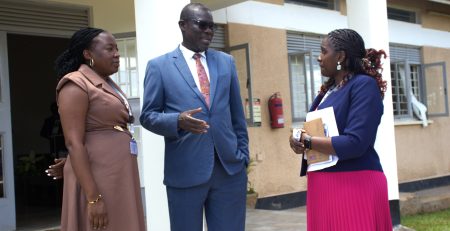
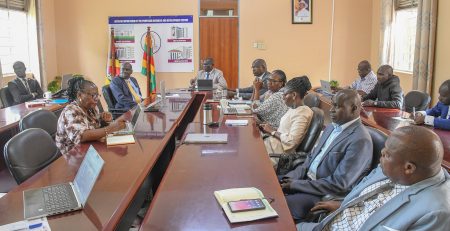
A photo during the feedback discussion.
The RDO, appreciated the involvement of academia in supporting the government in delivery of services to the refugee community as well as the host-community and recommended the team to not only present the research to local leaders but also publish on the government websites so that it can be accessed to guide policy formulation at different levels.
In his closing remarks, the Deputy RDC of Adjumani, Mr. Emmanuel Okware emphasized the need to work together to find lasting solutions to the refugee-host challenges and thanked the academicians for highlighting fundamental issues in the agricultural sectors. He confirmed that the research findings reflect the situations of the refugees and the host communities in Adjumani district.
Gulu University has on 16th October 2026 strengthened its capacity to promote innovation and entrepreneurship among staff and students following... read more
RCC, Gulu City, Mr. Onoria Ambrose speaking to the university community at the general assembly.
Gulu University on 12TH/10/2026, convened a... read more
Applications are invited from suitably qualified staff who are in active service of Gulu University:
Click to view /download the positions
Link:... read more



Comments (2)
Hello, Testing the comment section
This testing is received