
Gulu University Host African Fellows under Intellectual Hub Initiative

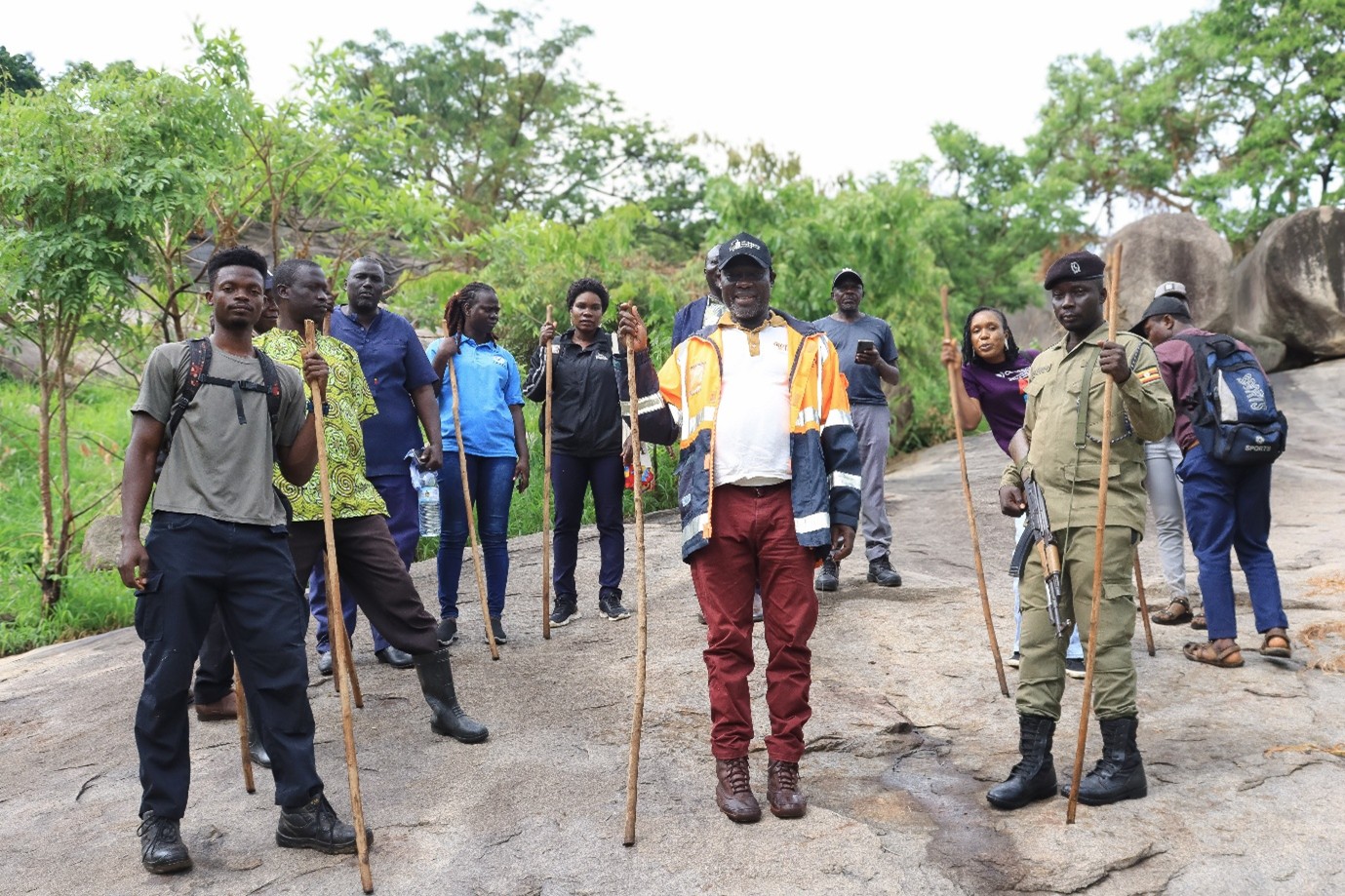
A group photo with the vice chancellor on Guruguru hills.
On 19th March 2026, the Vice Chancellor of Gulu University led a group of Fellows to Guruguru Hill, the group was welcomed by Lamogi cultural chief Rwot Otto Yai, Guruguru stands an historical landmark in the Acholi region. The Guruguru Caves are believed to have been a hiding place for locals during the Lamogi Rebellion in 1911; during this period, the people of Acholi sought refuge inside the caves as a form of resistance against the British colonial administration. However, in the course of this struggle, many Lamogi fighters tragically lost their lives due to gas suffocation in the Guruguru Hills.
This visit follows the implementation of a new continental academic initiative after the signing of a Letter of Agreement with Council for the Development of Social Science Research in Africa (CODESRIA). The agreement establishes an Intellectual Hub aimed at strengthening research, mentorship, and knowledge exchange across Africa.
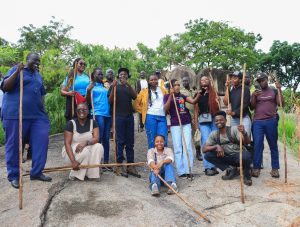
A group photo of the fellows on the Guruguru hills.
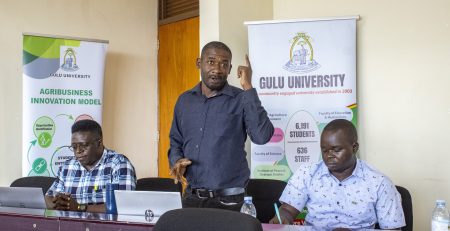
The University received 14 Fellows from 10 African countries, who are currently undertaking a one-month placement running from 1st March to 31st March 2026. The Fellows are actively engaged in scholarly activities while continuing with their individual research projects.
The Intellectual Hub focuses on supporting, strengthening, and enriching the Fellows’ ongoing work rather than initiating separate research projects. It serves as a dynamic space for research training, mentorship, scholarly exchange, and policy engagement, particularly in the field of Indigenous Knowledge Systems.
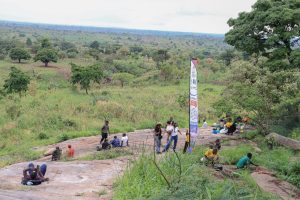
A photo of Gulu university setting camp on Guruguru hills.
Prof. George Openjuru, the Vice Chancellor, advised the scholars to continue conducting research until Africa achieves global equality in knowledge production. He reflected on the journey to freedom from colonial times, noting that while Africa has made strides in attaining political and economic independence, there is still a need to overcome spiritual and intellectual domination in order to achieve true epistemic liberation.
Currently, the University is providing a supportive learning environment, including workspace, technical assistance, and opportunities for academic interaction. Faculty members, together with selected resource persons, are facilitating mentorship and intellectual engagement to help Fellows refine their theoretical, methodological, and analytical approaches.
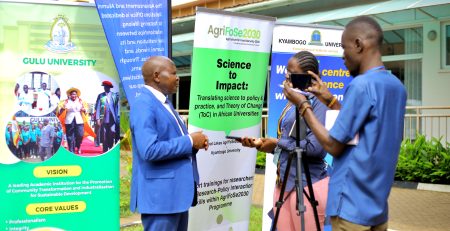
In addition, the Hub is organizing seminars, dialogues, and training sessions that expose Fellows to Indigenous Knowledge Systems and relevant research practices. Efforts are also underway to identify at least two Indigenous Knowledge Keepers who will be integrated into the programme, allowing Fellows to learn directly from community-based knowledge custodians.
The initiative further promotes networking and collaboration among Fellows, scholars, knowledge holders, and policy actors, while also encouraging the translation of research into policy-relevant discussions.







Leave a Reply