
Gulu University, Reti Program Management Unit, The Mastercard Foundation And Stakeholders Review Reti Programme Progress

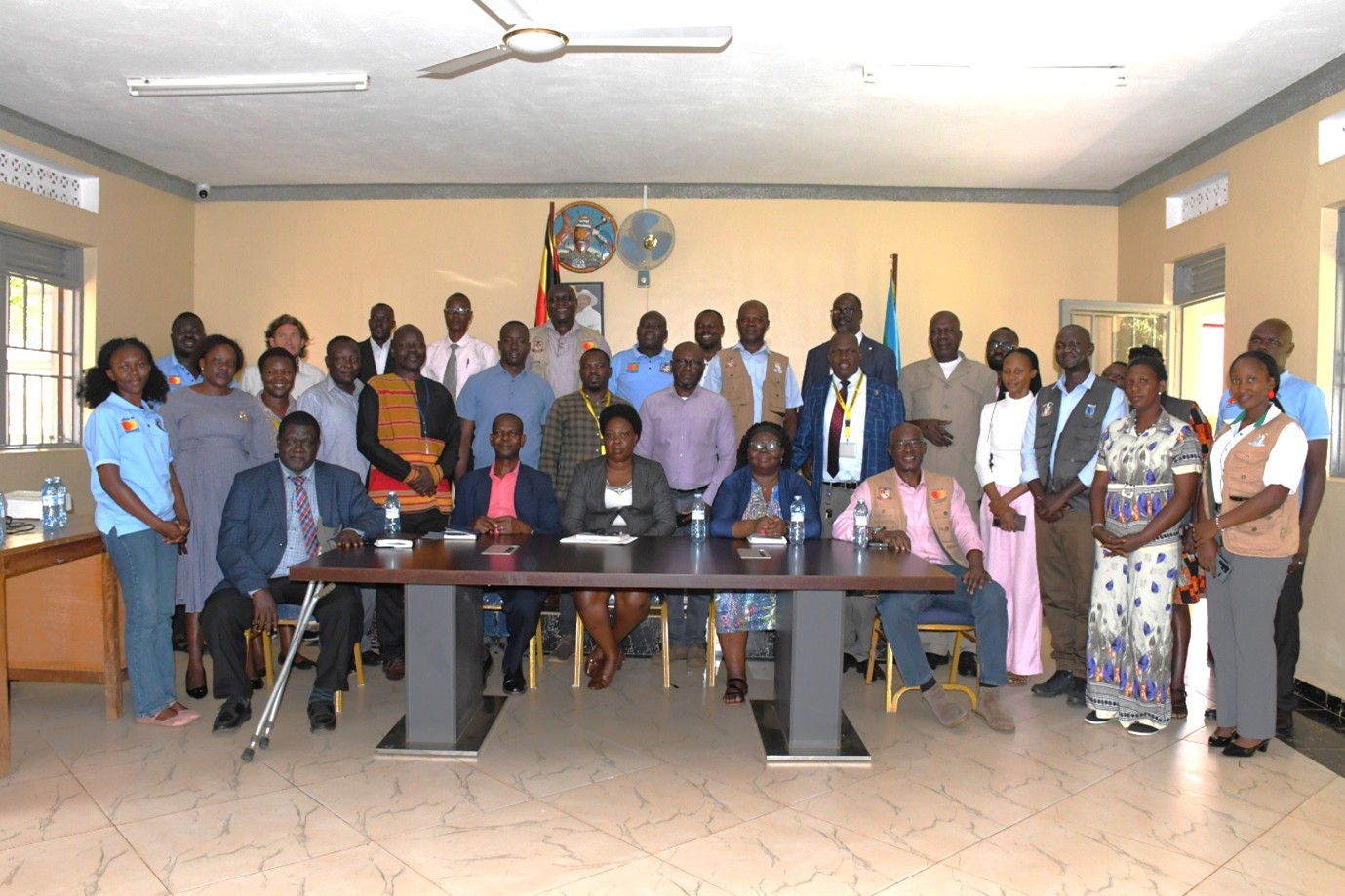
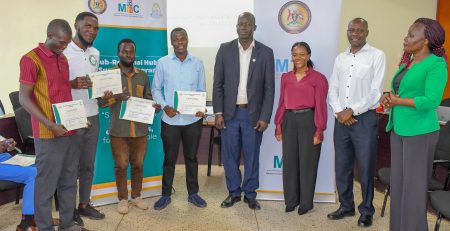
Mastercard Foundation representatives, Gulu university, RETI Program Management Unit, and GULU City local government officials.
Gulu University, the Mastercard Foundation and government stakeholders have reaffirmed their commitment to strengthening support for vulnerable youth and refugee communities through the Refugee and Host Community Youth Empowerment and Transformation Initiative (RETI). The commitment was made during a debrief meeting held on October 22, 2026, at Gulu University Council Boardroom, following a monitoring visit by the Mastercard Foundation to RETI programme implementation areas in Northern Uganda. The meeting brought together the University leadership, representatives from the Mastercard Foundation, the Office of the Prime Minister (OPM), the RETI Programme Management Unit and implementing partners to review progress, share experiences and identify areas for improvement.
In his remarks, the Vice Chancellor, Prof. George Ladaah Openjuru, appreciated the Mastercard Foundation and implementing partners for their continued support towards improving the livelihoods of vulnerable youth. He emphasized the need to sustain the programme’s achievements beyond its implementation period, noting that Gulu University would continue integrating successful interventions into its community engagement mandate.
The Vice Chancellor also called for enhanced support for youth-led businesses through financial literacy training, access to finance and collaboration with Government institutions such as the Uganda Revenue Authority (URA) and Uganda Registration Services Bureau (URSB) to sustain the intervention impact.

A RETI project participant while at work in his recently opened retail shop in Palabek Refugee Settlement – Lamwo District.
Dr. Akim Okuni, the head of work force development at the Mastercard Foundation, commended Gulu University and other implementing partners for the progress made under the RETI programme. He noted that the monitoring team met participants who had successfully transitioned into employment and entrepreneurship, with some earning up to UGX 800,000 monthly and more. He particularly highlighted the achievements of young women who had overcome social and economic challenges to establish businesses, supported their families and became financially independent.
Rita Lulua, the Education Lead at the Mastercard Foundation, highlighted the positive impact of the programme on young persons with disabilities, particularly in Bungatira, Gulu City. She noted improvements in their livelihoods, confidence and social acceptance. She also shared the success story of a participant who, after completing a month of internship at Acholi Inn, was retained as an employee, with his monthly earning increasing from UGX 250,000 to UGX 300,000.

A RETI project participant (center), at Acholi Inn, Gulu City.
The meeting also highlighted the importance of strengthening collaboration with the Office of the Prime Minister (OPM), UNHCR and district local governments to ensure participants access government livelihood programmes and receive continued support beyond skills training.
Stakeholders emphasized the need for a clear sustainability plan to protect the progress made and support young people in growing their businesses. What stood out the most was leaders’ advocacy towards forming groups by young people, so that they can benefit from government programs.
The meeting identified key areas requiring improvement, including financial literacy, business management, record keeping, skills training and continued support for youth enterprises.
Finally, speaking on behalf of the Program Management Unit, Prof. Clement Okia noted that the fourth year of RETI implementation would focus on strengthening the transition of young people into dignifying and fulfilling employment and entrepreneurship. He added that lessons from the program would also inform university curricula and student support systems.





Leave a Reply