

From Data to Action: Day 2 at the AgriFoSe Workshop
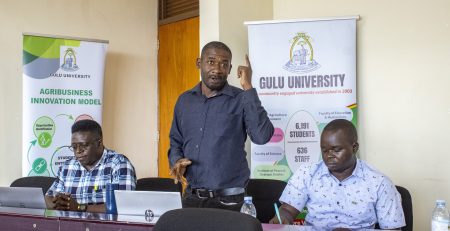
Day two of the AgriFoSe workshop unfolded with a powerful call to action: science must move beyond journals and into the hands of decision-makers. Under the theme Translating Science into Policy and Practice, the session challenged scientists and emerging researchers to rethink the journey of their work from discovery to real-world impact.
The workshop, hosted by AgriFoSe (Agriculture for Food Security), aims to strengthen the link between research and sustainable development. But on this particular day, the focus shifted from data collection and analysis to something equally important, storytelling, influence, and change.
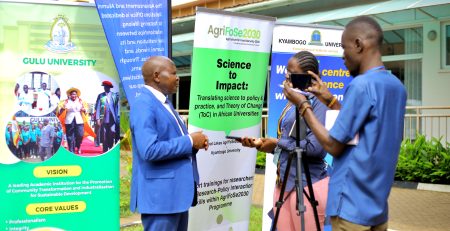
Renowned journalist Dr. Rugyendo Arinaitwe took the stage with an engaging session on Research Communication vs. Research Translation. With clarity and conviction, he urged researchers to move beyond technical language and academic comfort zones.
“Research does not end when the journal accepts your paper,” he emphasized. “Research that stays in a PDF is unfinished research. That is merely the birth of data.”
His message resonated deeply with participants. Too often, groundbreaking studies remain locked behind paywalls, buried in repositories, or written in language inaccessible to policymakers and communities who need the insights most. According to Rugyendo, publishing is not the finish line, it is the starting point.
He introduced the concept of “newsification”, the art of adding news value to research. This means framing findings in ways that create awareness, evoke emotion, and capture attention. It means identifying the human angle, the urgency, the relevance. When research speaks to real lives and real challenges, it gains power.
Newsification, he explained, helps research:
● Create awareness
● Evoke emotion
● Attract policy influencers
● Spark action
● Ensure change
But communication alone is not enough. Rugyendo distinguished between communication, making sure they hear you, and translation, making sure they understand and act. Translation requires simplifying complexity without diluting accuracy. It means turning evidence into policy briefs, infographics, media stories, stakeholder dialogues, and actionable recommendations.






Leave a Reply